New work
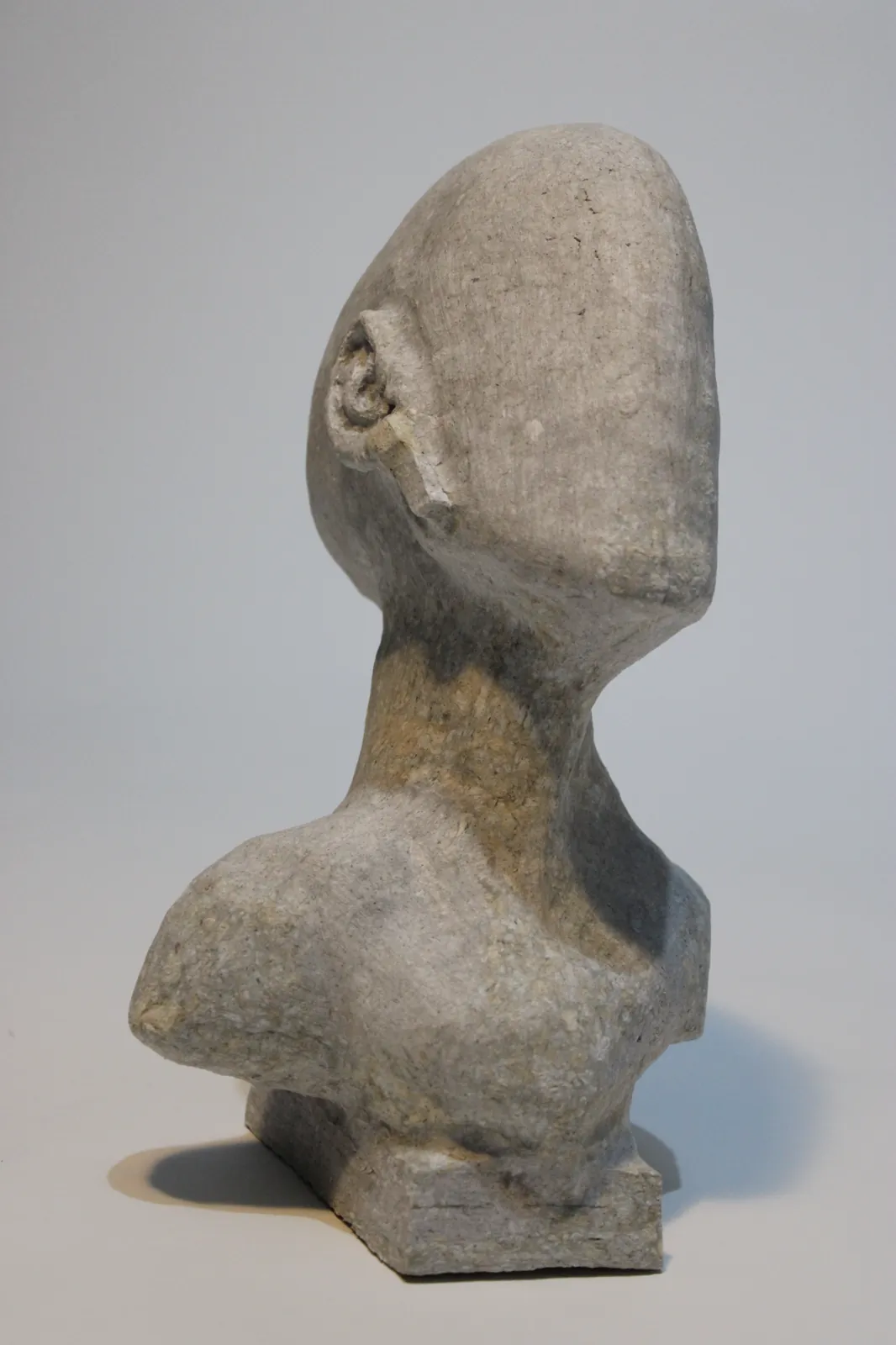
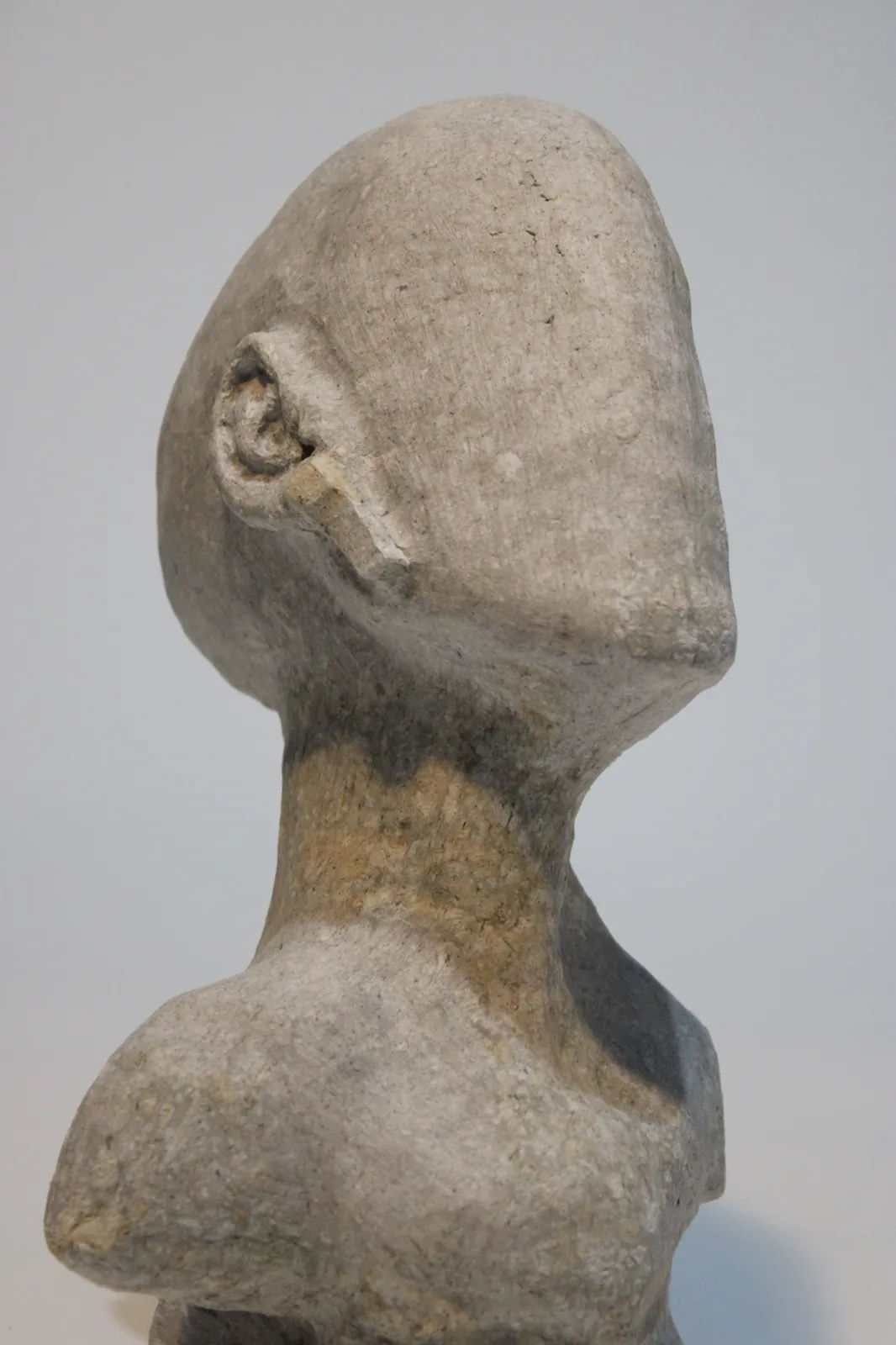
İnsansı (Anthropoid) is conceived as a faceless bust made from recycled waste paper. In this form, where only the ears are pronounced, the livestock ear tags placed on the ears point to the conceptual core of the work: listening, bearing witness and looking away. Although it recalls a familiar human form, the absence of a face evokes anonymity and the avoidance of responsibility, while the emphasis on the ears invites us to rethink hearing as an ethical obligation.
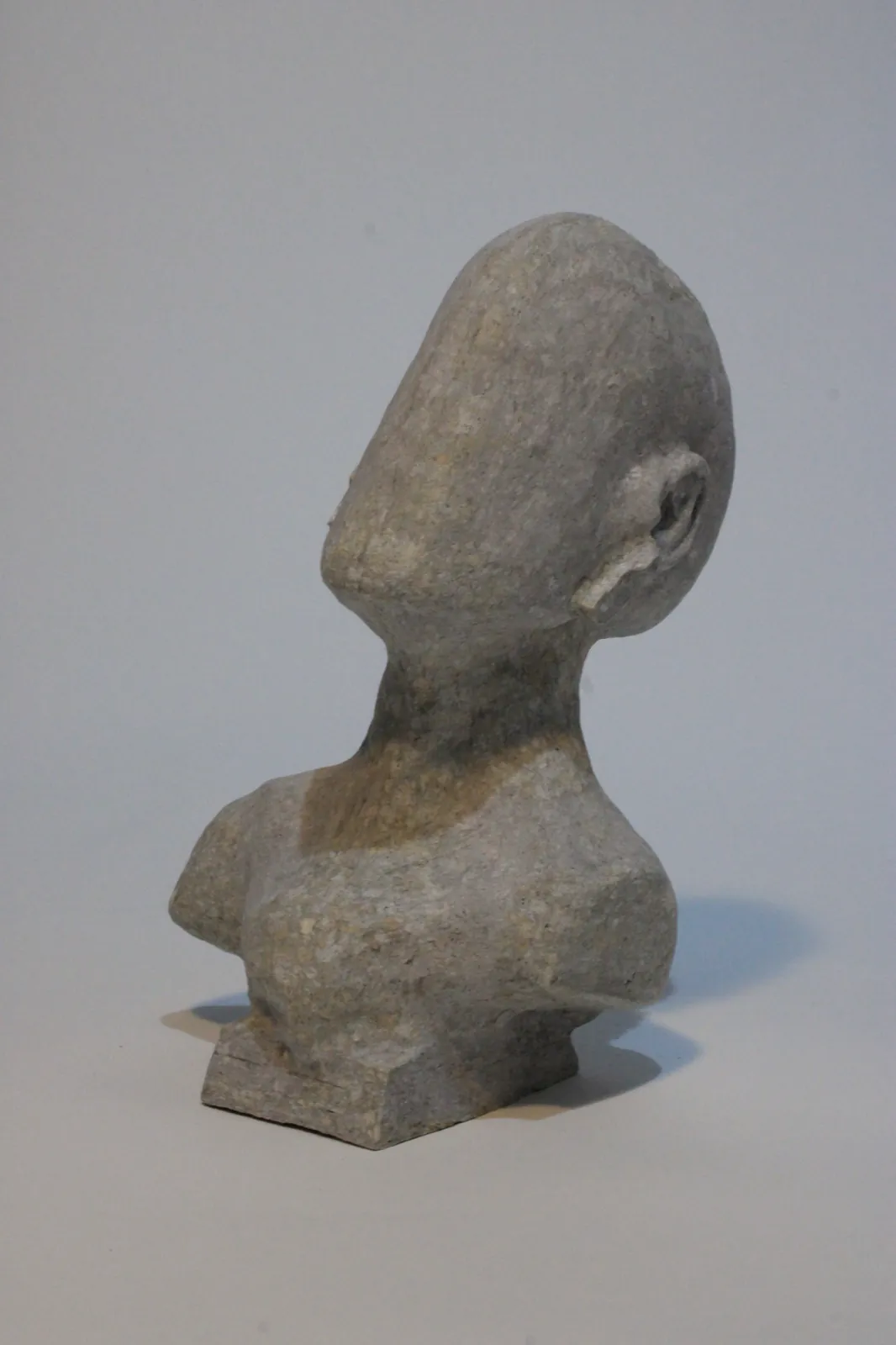
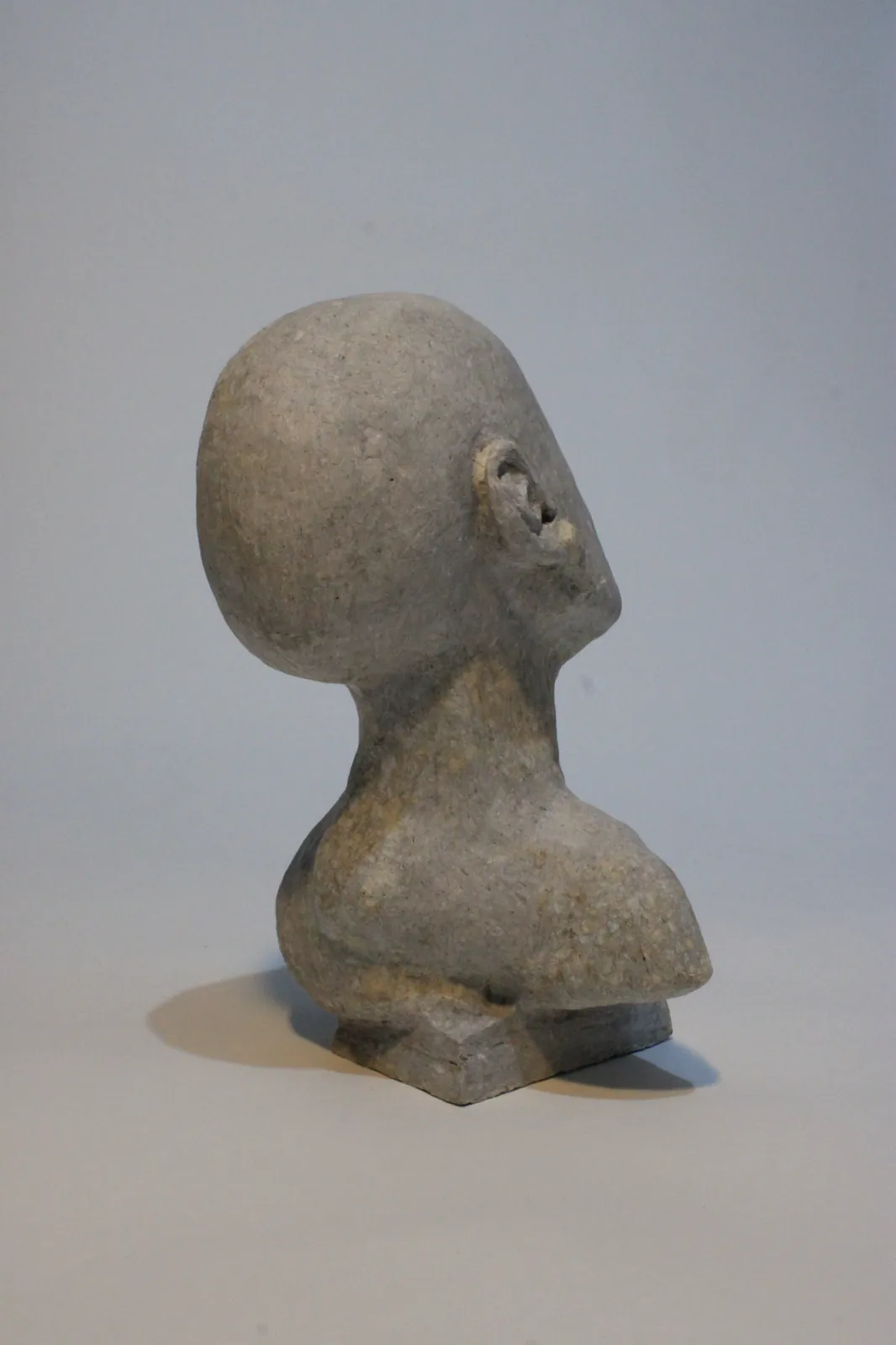
'İnsansı' is the Turkish equivalent of the English term anthropoid and means 'resembling a human'. This resemblance, however, does not mean that non-human animals have rights and freedoms equal to those of humans. On the contrary, the name reminds us that resemblance is often not enough to dissolve a hierarchical divide.
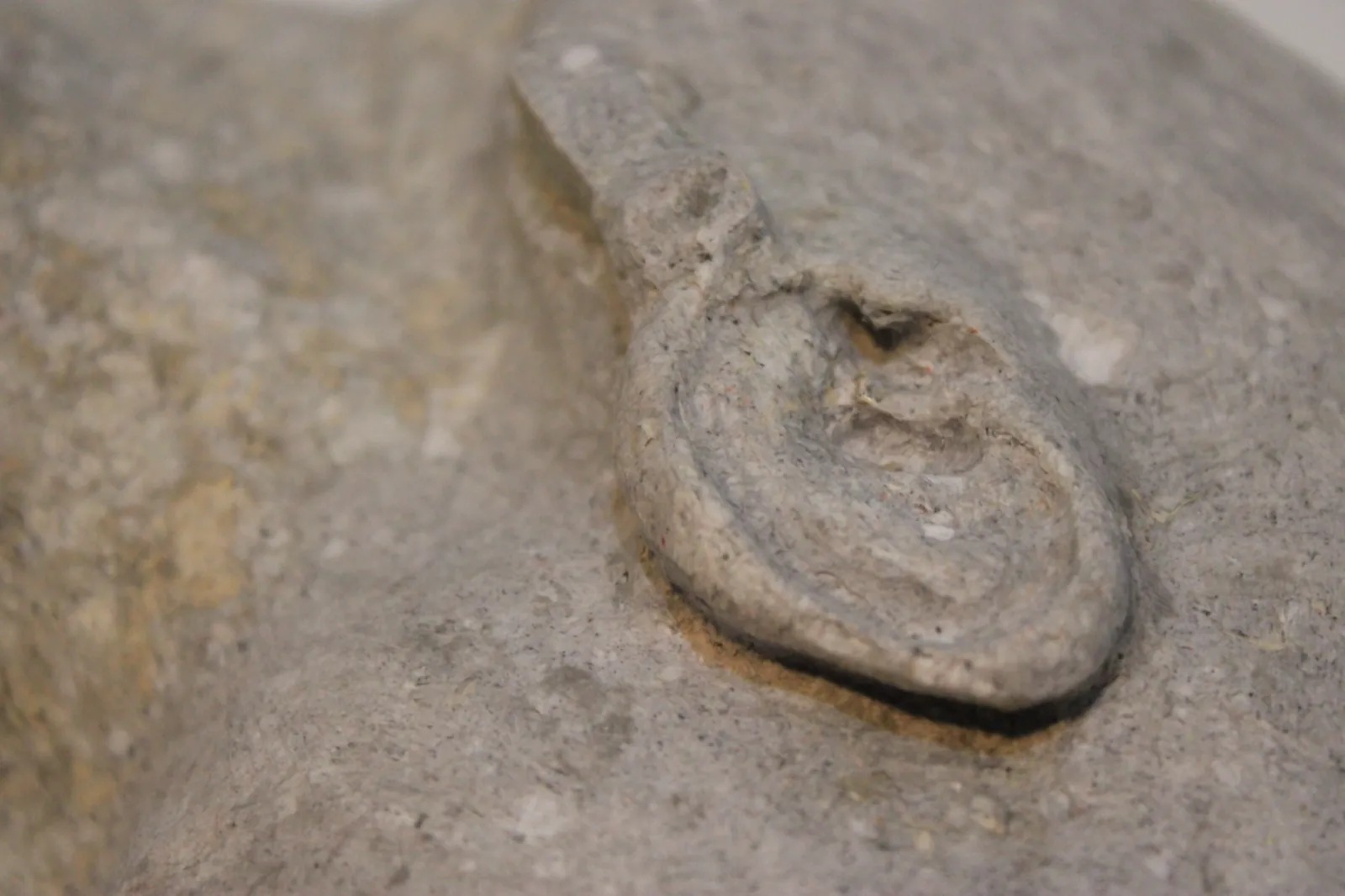
The livestock tags attached to the ears refer to the way animals are positioned as beings that are marked, classified and commodified within economic systems. In this context, İnsansı asks whether having the capacity to hear also requires taking responsibility for what is heard. As Peter Singer argues, animals are conscious beings with moral status, capable of feeling pain and pleasure. The use of recycled waste paper is a direct reference to cycles of consumption and waste: the leftovers of everyday life turn into a new body, bringing to the surface the invisible process of what we call 'waste'.
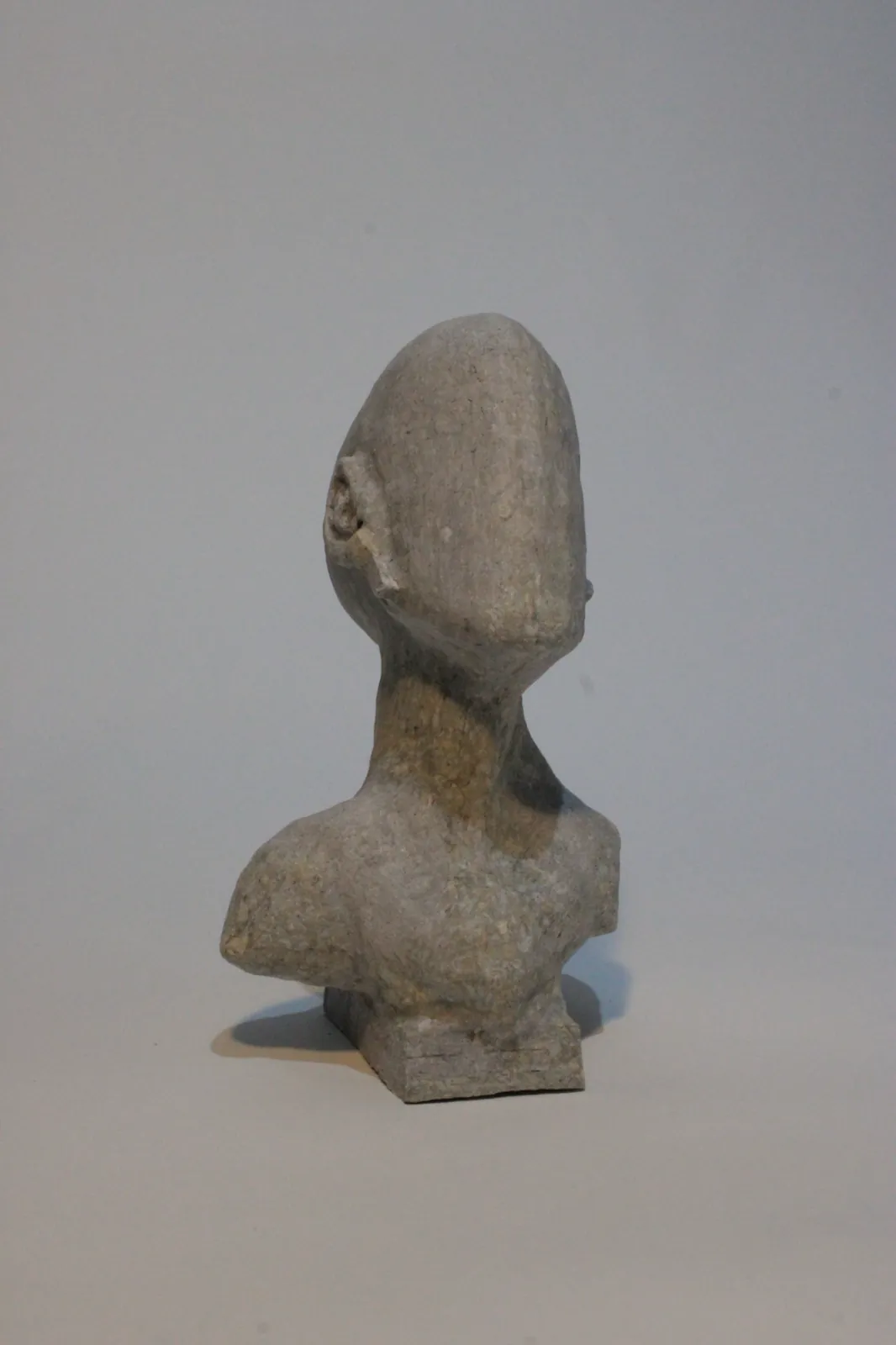
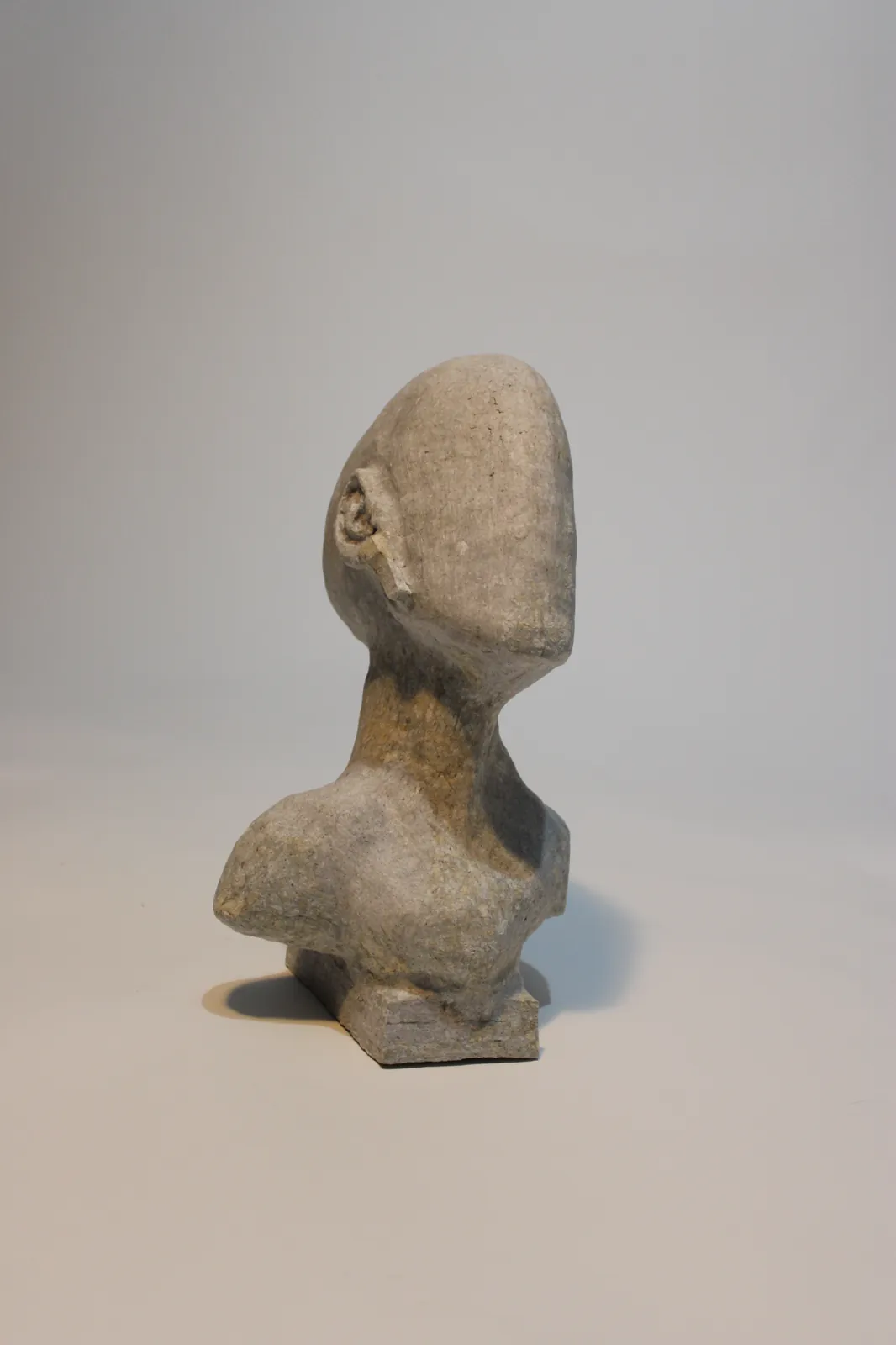
İnsansı, 2026. Recycled paper, 28 × 16 × 15 cm.